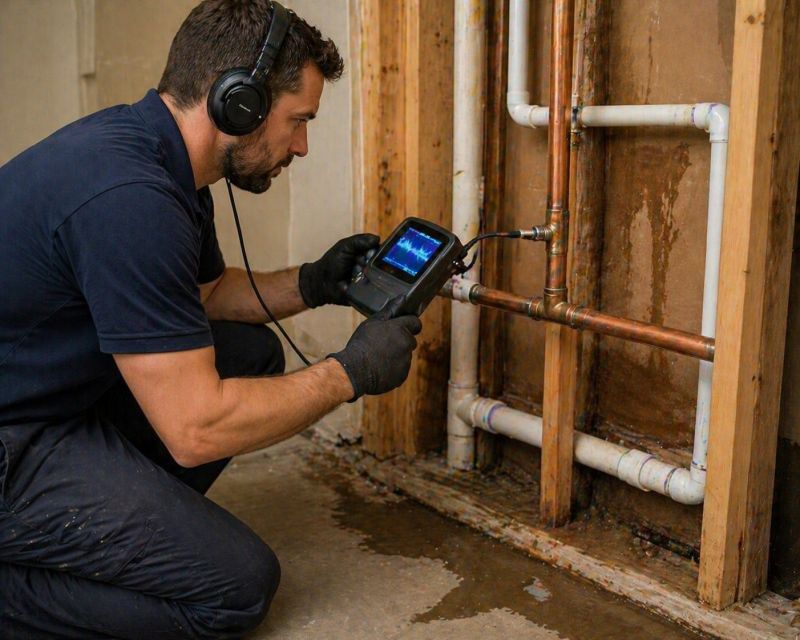
Pipe Leak Detection in Denver, CO
Pipe leak detection services help homeowners identify hidden leaks within plumbing systems, often before they cause significant water damage or high utility bills. This service covers a variety of projects, including detecting leaks behind walls, under floors, in underground pipes, or within complex plumbing networks. Property owners typically want to understand whether a suspected leak is present, the exact location of the problem, and the extent of any damage, which can guide effective repairs and prevent unnecessary invasive work.
Before requesting pipe leak detection, property owners should consider any signs of trouble such as unexplained increases in water bills, damp spots, mold growth, or the sound of running water when no fixtures are in use. Knowing the general location of the suspected leak and details about the plumbing system can help streamline the detection process. This service is useful for addressing ongoing issues or as a proactive step when planning renovations or inspections of older plumbing infrastructure.
Many property owners in Denver, CO look into Pipe Leak Detection for repairs, replacements, upgrades, and appearance-related improvements.
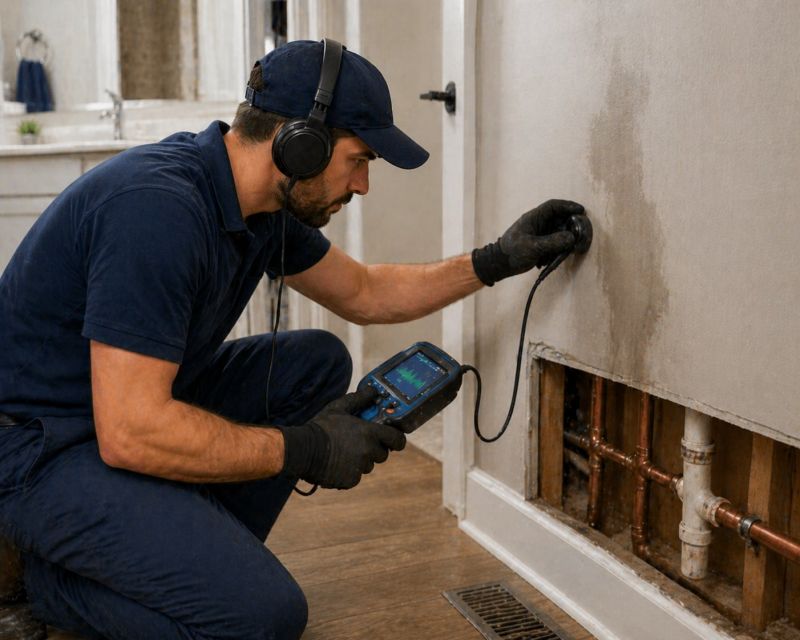
Identifying Hidden Leaks
Advanced detection methods help locate leaks that are not visible on the surface.
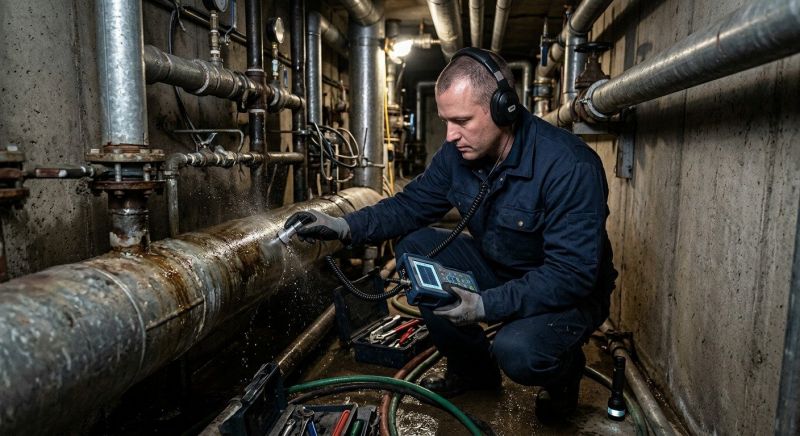
Preventing Water Damage
Early leak detection can minimize structural damage and costly repairs in homes and businesses.
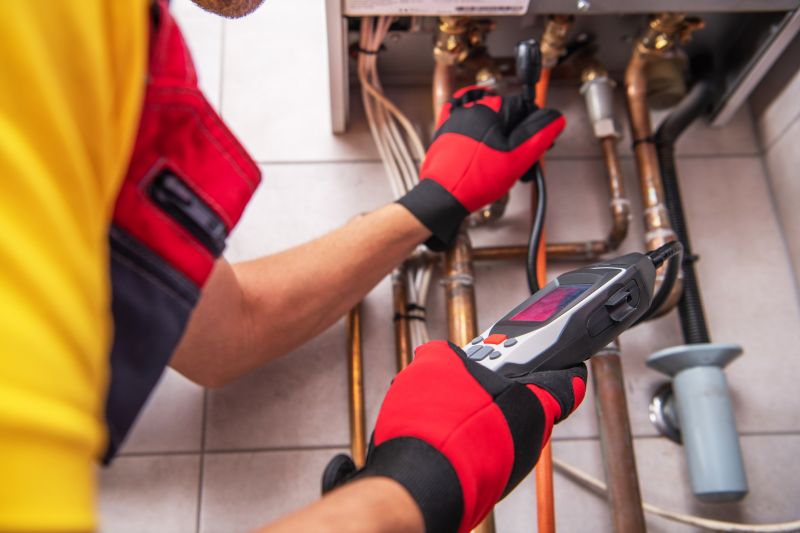
Protecting Property Value
Detecting leaks promptly helps maintain the integrity and value of properties in denver and nearby areas.
Pipe Leak Detection in Denver, CO

Pipe leak detection services help homeowners identify hidden leaks within plumbing systems, often before they cause significant water damage or high utility bills. This service covers a variety of projects, including detecting leaks behind walls, under floors, in underground pipes, or within complex plumbing networks. Property owners typically want to understand whether a suspected leak is present, the exact location of the problem, and the extent of any damage, which can guide effective repairs and prevent unnecessary invasive work.
Before requesting pipe leak detection, property owners should consider any signs of trouble such as unexplained increases in water bills, damp spots, mold growth, or the sound of running water when no fixtures are in use. Knowing the general location of the suspected leak and details about the plumbing system can help streamline the detection process. This service is useful for addressing ongoing issues or as a proactive step when planning renovations or inspections of older plumbing infrastructure.
Many property owners in Denver, CO look into Pipe Leak Detection for repairs, replacements, upgrades, and appearance-related improvements.
Common Pipe Leak Detection Jobs
Residential plumbing inspections - detect hidden leaks in pipes before they cause major damage.
Underground pipe testing - find leaks in buried lines without extensive excavation.
Water usage analysis - identify unusual water consumption indicating potential leaks.
Slab leak detection - locate leaks beneath concrete slabs to prevent structural issues.
Pipe integrity assessments - evaluate pipe condition to prevent future leaks and failures.
Emergency leak detection - quickly identify leaks to minimize water damage and repair costs.
Pipe Leak Detection Questions
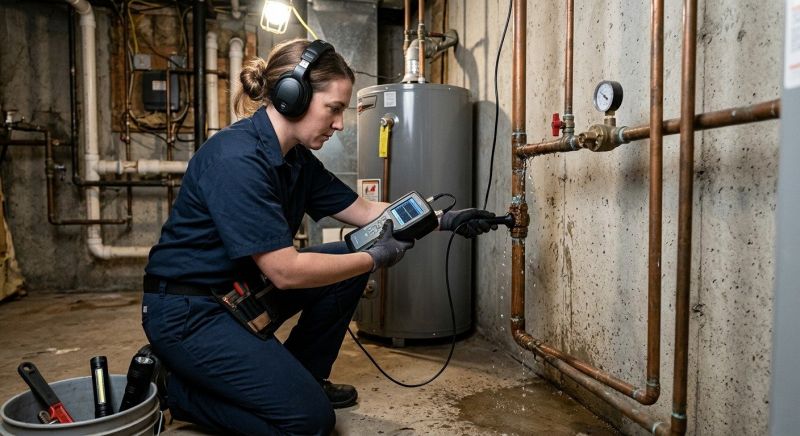
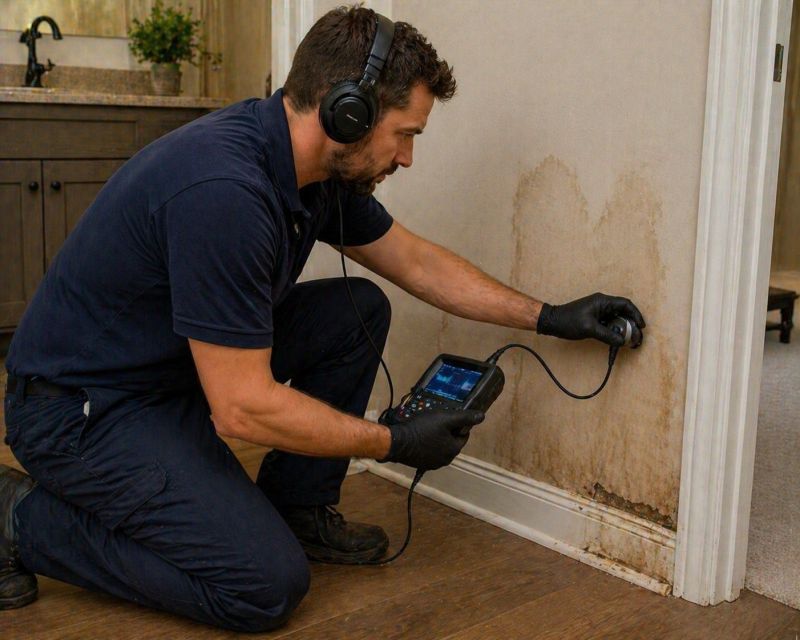
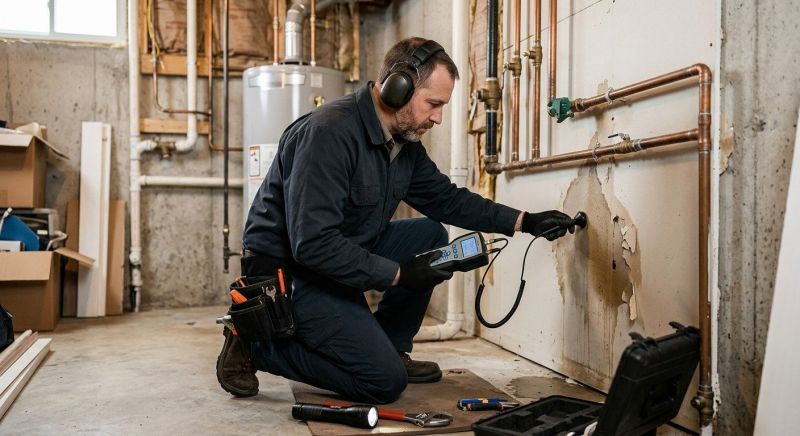
How do plumbers detect hidden pipe leaks? They use specialized equipment like acoustic sensors and thermal imaging to locate leaks that are not visible on the surface.
What signs indicate a possible pipe leak? Signs include unexplained water bills, damp spots on walls or floors, mold growth, or a persistent musty odor.
Are pipe leak detection methods invasive? Many detection techniques are non-invasive, involving minimal disruption to property surfaces and structures.
Why is early leak detection important? Detecting leaks early helps prevent water damage, mold growth, and costly repairs in the future.
Request Pipe Leak Detection in Denver, CO
Use the quote form on this page to share the basics of your project and request more information for the type of work you need.